
Trends: the star models that disappoint in real life
Hi, it’s Gérald. Star models often disappoint when their looks and popularity don’t hold up to everyday use. Before buying, check the quality, comfort and customer reviews, then compare the promises with your actual needs. Trying it on or testing it in a store can also reveal things a product listing doesn’t show.
Good habits to adopt
- Define your main use: sports, work, commuting or leisure.
- Compare the features that matter rather than the options highlighted in advertising.
- Read detailed customer reviews, especially those posted after several weeks of use.
- Try the product if possible: comfort, ease of handling and ease of adjustment matter in everyday use.
- Check the return policy before ordering, especially for an item that’s difficult to assess from a photo.
To put trends in perspective, compare sports models that are sometimes overrated with connected devices that stand the test of time. These benchmarks help distinguish lasting success from a passing craze.
Why star models disappoint in real life
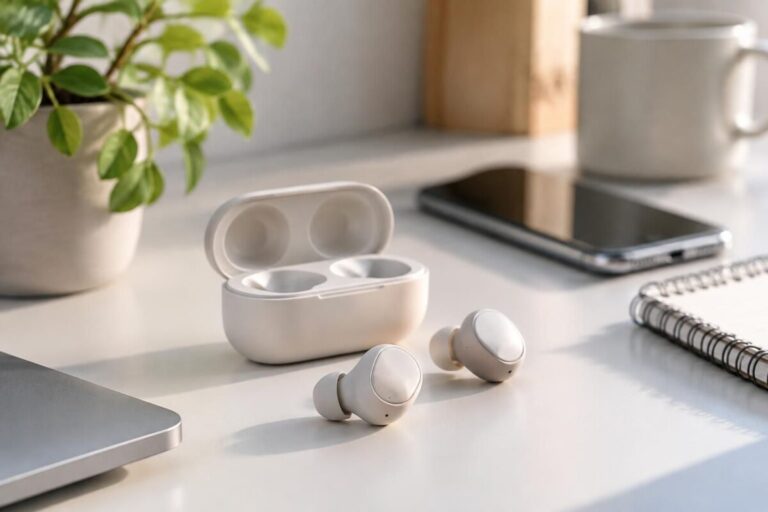
A highly visible product may appeal mainly because of its looks, its launch or recommendations on social media. But a fashionable watch may be too heavy, popular earbuds may not stay in place, or a connected device may require more setup than expected.
Disappointment often comes from a gap between expectations and actual use. A product specification promises long battery life, but this varies depending on which features are enabled, the network used and how often notifications arrive.
Popularity and quality aren’t the same thing
High sales indicate that a model attracts attention, not that it suits everyone. Customer reviews are more informative when they describe specific situations: extended wear, sports use, connecting to a phone or regular maintenance.
For example, Lina chooses a highly recommended fitness tracker to track her workouts. After a few days, she finds that the clasp bothers her and that the useful metrics are buried in the app. The model isn’t necessarily bad; it simply doesn’t match her priorities.
Compare expectations with actual use before buying
| Criterion | What advertising highlights | What to check |
|---|---|---|
| Comfort | Lightweight design or ergonomic shape | Weight, materials and fit when trying it on |
| Battery life | Duration quoted under ideal conditions | Performance with the features you’ll actually use |
| Features | A large number of options | Easy access to the tools you need |
| Quality | Visible finish and brand image | Durability, updates and accessory availability |
So the right choice isn’t necessarily the most fully featured model. It’s the one whose strengths fit the way you’ll use it, without an inconvenient trade-off in comfort or simplicity.
Three steps to avoid disappointment
- Write down your priorities. Choose no more than three criteria, such as comfort, battery life and compatibility with your phone. This helps you avoid paying for features you won’t use.
- Cross-check the information. Compare the specifications, several customer reviews and, if possible, an independent test. Look for recurring criticisms rather than a single comment.
- Try it or protect your purchase. Try it on in a store if possible, or check the return period and terms before ordering. A considered purchase leaves you a way out.
This approach turns trends into points of comparison rather than shopping instructions. Popularity can catch your attention; actual use should make the decision.
Useful questions to ask before choosing a popular model
Why can a very popular model disappoint?
Its popularity doesn’t guarantee that it will suit everyone’s needs. Comfort, battery life, simplicity and compatibility may not meet expectations.
Are customer reviews enough to make a choice?
They’re useful for spotting recurring problems, but it’s best to cross-check them with tests and the product specifications.
What should you check when trying a product on?
Check the fit, weight, ease of use and comfort after a few minutes. For a connected device, also look at the setup process and the companion app.
Should you avoid fashionable products?
No. A trend may point to an interesting product, but it doesn’t replace comparing it with your needs and checking the return policy.
Thanks for reading! If this topic resonates with you, share your experience in the comments. — Gérald