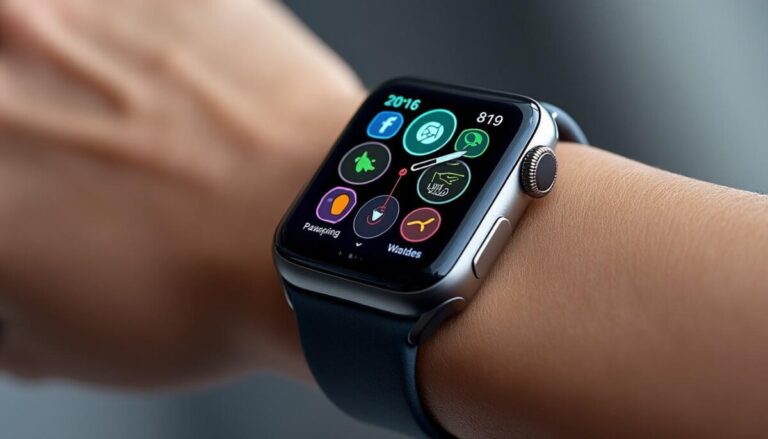

Smartwatch tests: which one avoids a false bargain?
Hi, it’s Gérald. To avoid a purchase you’ll regret, first choose a watch that’s compatible with your phone, then check its real-world battery life and sensor accuracy for the way you’ll use it. Advertised features and battery-life figures can vary significantly depending on the settings. So a useful smartwatch test goes beyond the spec sheet: it also looks at what you can actually use day to day.
Smart steps to take before buying a smartwatch
- Check smartphone compatibility before comparing features: Apple Watch requires an iPhone.
- Estimate the battery life you need with GPS, heart-rate tracking, and the always-on display enabled.
- Choose a suitable water-resistance rating for swimming, hiking, or everyday use.
- Don’t pay for specialist features if you don’t plan to use them.
- Try it on your wrist for comfort and check that the screen is easy to read in bright daylight.
For a broader perspective, also check out this smartwatch comparison and our analysis of the wrong smartwatch choice for sports: both articles help you distinguish useful options from marketing claims.
Smartwatch comparison: three user profiles, three different choices
The best smartwatch isn’t necessarily the most expensive one or the one with the most features. To make a sensible purchase, you need to consider the phone you use, the activities you do, and how often you’re willing to recharge.
| Profile | Model mentioned | Main advantage | What to check |
|---|---|---|---|
| Beginner on a tight budget | Blackview W50 Pro | Basic features, Bluetooth calls, and numerous advertised sports modes | The advertised 30-day battery life is based on normal use as defined by the manufacturer, and may not reflect intensive use |
| iPhone user | Apple Watch Series 11 GPS 42 mm | Deep integration with the Apple ecosystem, plus health and workout tools | Frequent charging may be necessary depending on the settings and GPS workouts |
| Athlete or adventurer | Apple Watch Ultra 3 | Rugged design, advanced features, and a claimed water resistance of 10 ATM | Its size and price offer little benefit if you’ll mainly use it day to day |
These profiles are starting points, not a ranking based on independent measurements of the three models. Battery-life figures and specific features should be treated as manufacturer claims, then weighed against user reviews and warranty terms.
Battery life: distinguish between the promise and real-world use
Battery life of several weeks may sound appealing, but it often depends on lighter use. The always-on display, continuous heart-rate tracking, calls, and GPS can significantly reduce the time between charges.
By contrast, simpler watches focused on notifications and step counting may last several days. If you work out often, check the charging time too: fast charging comes in handy when you want your watch to track your sleep and activities.
Sensor accuracy: not all figures should be taken at face value
To assess heart-rate and GPS accuracy, a rigorous testing protocol compares results against external reference devices, such as a Polar H7 chest strap for heart rate. Measurements should be taken across multiple workouts and routes, since a sensor may be consistent while walking but less convincing during fast intervals.
Sleep and stress tracking mainly provide trends, not a medical diagnosis. A clear app, well-explained data, and compatibility with services like Strava or Komoot can matter just as much as the number of metrics displayed.
Avoid buying pitfalls: what spec sheets don’t tell you as clearly
Smartphone compatibility: the first filter to apply
An Apple Watch can’t be set up with an Android phone. Other watches work with iOS and Android, but some options, such as replying to messages or making payments, may vary depending on the phone and model.
Before placing an order, check the list of compatible phones and any restrictions in the companion app. A cheaper watch loses all its appeal if an essential feature isn’t available on your smartphone.
Water resistance: IP68 and ATM don’t mean the same thing
An IP68 rating indicates resistance to dust and immersion under conditions defined by the manufacturer; on its own, it doesn’t guarantee that the watch is suitable for swimming. A 5 ATM rating is generally intended for surface swimming, while 10 ATM is suitable for a wider range of water activities, but doesn’t automatically permit scuba diving.
Guidelines may also exclude hot water, jumping, or high-speed water sports. Check the instructions for the specific model: water resistance should be judged according to your intended use, not a single number.
Professional features: useful only if your activity requires them
A dive computer, advanced running metrics, or tools designed for high-altitude use can be valuable for athletes who need them. For a walk and a weekly jog, these options are more likely to increase the price and complexity.
You’ll often find the best value in a watch that does the things you actually use well: notifications, relevant sports tracking, comfort, and an easy-to-understand mobile app.
How to evaluate a smartwatch test before making your decision
A reliable buying guide goes beyond design or the number of sports modes. It also looks at build quality, weight, band comfort, screen visibility indoors and outdoors, and how easy the menus are to use.
The smartphone app deserves the same scrutiny: translation quality, graph readability, depth of data, and connections to third-party services. Finally, battery life should be measured with features enabled, then compared with the manufacturer’s claims.
- Define your main use. List your top priorities: sports, sleep, calls, payments, or everyday tracking.
- Rule out incompatible models. Check which phone is required, which features are available, and what limitations the app has.
- Compare the trade-offs before paying. Weigh battery life, comfort, accuracy, water resistance, and price without paying for features you don’t need.
A smartwatch often lasts a few years, partly because of battery wear and changes in software support. It’s therefore better to invest in an experience that suits your habits than in an impressive list of specifications.
Frequently asked questions about choosing a smartwatch
Does an Apple Watch work with an Android phone?
No. An iPhone is required to set up and use an Apple Watch.
Will a watch advertised as having 30 days of battery life really last a month?
Not necessarily. That duration depends on the usage mode selected by the manufacturer. GPS, the always-on display, calls, and continuous tracking can significantly reduce battery life.
Does 5 ATM mean I can dive with my watch?
No. This rating is generally suitable for surface swimming, but doesn’t guarantee suitability for scuba diving. Check the manufacturer’s instructions.
Which watch should I choose for running once a week?
A model with suitable GPS, consistent heart-rate tracking, and an easy-to-use app is often enough. Advanced training features are only worthwhile if you’ll actually use them.
Thanks for reading! I’d love to hear what you think in the comments. — Gérald